
Why Domestic Lifts Are Becoming a Must-Have for UK Homes in 2025
What Are Domestic Lifts?
Domestic lifts, also called home lifts, are small residential elevators specifically designed for use in private homes. Unlike their commercial counterparts, they are more compact and less intrusive and are built to suit the design and function of a home. Most domestic lifts are discreet, energy-efficient and engineered to blend into a home’s design without compromising on functionality.
They come in various forms, including hydraulic, traction and vacuum systems. While each type operates differently, all models are manufactured to meet strict safety standards and offer a dependable means of moving between floors. More than a convenience, domestic lifts have become a reliable solution for accessibility and ease of movement within multi-level homes.
The Benefits of Domestic Lifts
One of the standout benefits of domestic lifts is the improved quality of life they offer. Whether you’re carrying shopping bags upstairs or helping someone with mobility difficulties navigate the home, the lift removes the physical strain. Families with young children, older adults and those with health conditions all benefit from the reduced risk of accidents on stairs.
Adding a domestic lift also brings a new level of convenience. Everyday tasks become easier and your home becomes a more inclusive space.

Adding Value to Your Home with Domestic Lifts
One of the more overlooked advantages of installing domestic lifts is the added value they can bring to a property. Far from being a fleeting trend, they represent a practical investment that aligns with modern living standards and long-term accessibility needs. Depending on the model and design chosen, a domestic lift can significantly enhance a home’s appeal, particularly to future buyers who are prioritising convenience and mobility.
In a competitive housing market, features that cater to ease of use and future-proofing are no longer seen as luxuries, but as thoughtful upgrades. Buyers often pay a premium for properties that already accommodate ageing-in-place strategies or inclusive design. Having a domestic lift already installed may very well tip the scales in your favour during negotiations, potentially securing a quicker sale at a stronger price. Rather than needing to downsize or retrofit later in life, homeowners with domestic lifts are already a step ahead, comfortable, independent and ready for what’s next.
A Stylish Upgrade, Not Just Functional
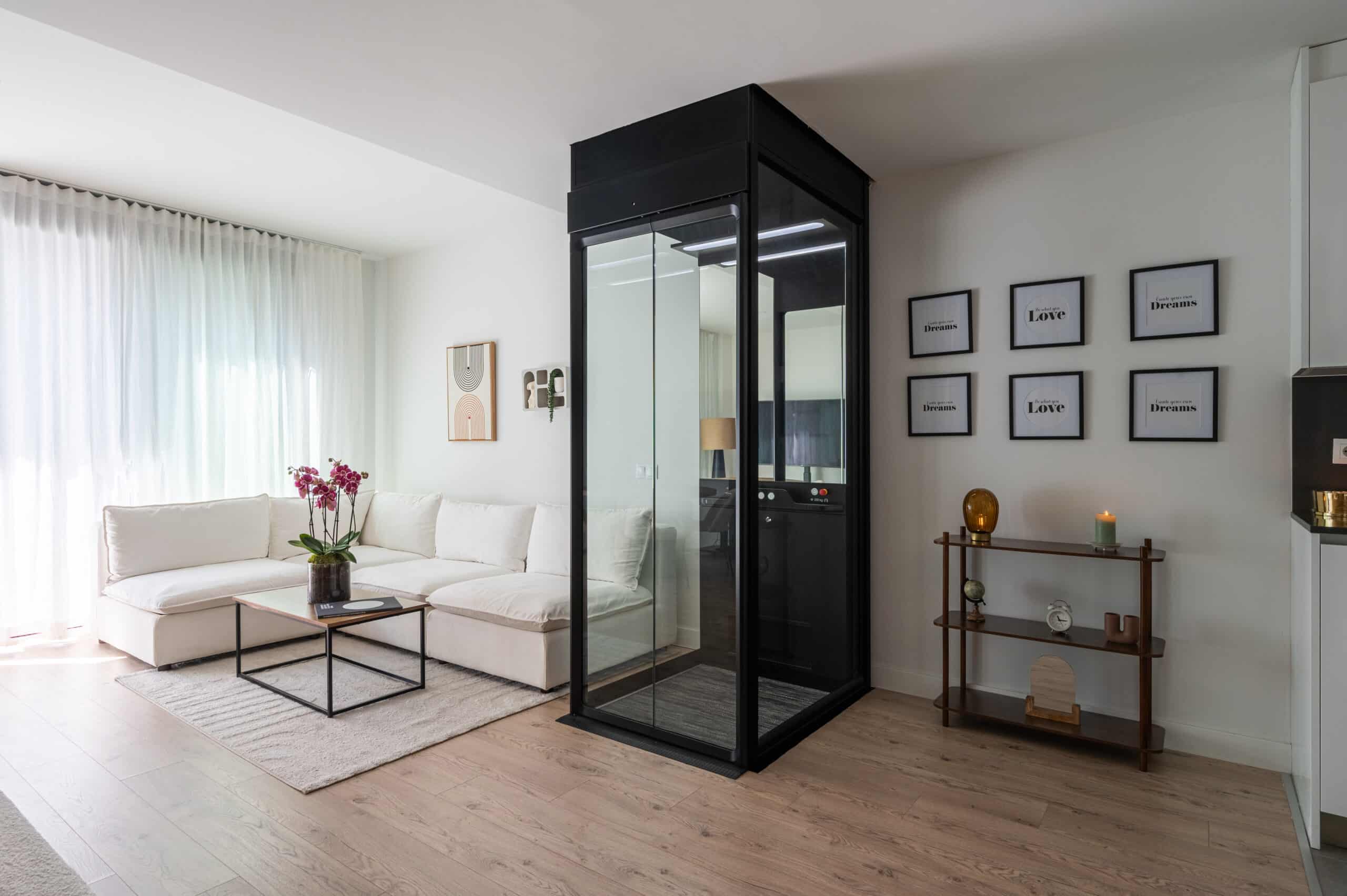
One common misconception is that domestic lifts are bulky or clinical in appearance. Today’s models challenge that notion entirely. Many domestic lifts are designed with aesthetics in mind, offering a choice of finishes, colours and configurations to match or complement your home’s style.
Whether your home has a classic or modern style, there’s often a solution that suits your space. With more compact units available, even homes with smaller footprints can benefit from domestic lifts. With their compact footprints and customisation options, domestic lifts can become an understated part of your home or a standout feature that adds to its character.
Compact Design That Fits Modern Living
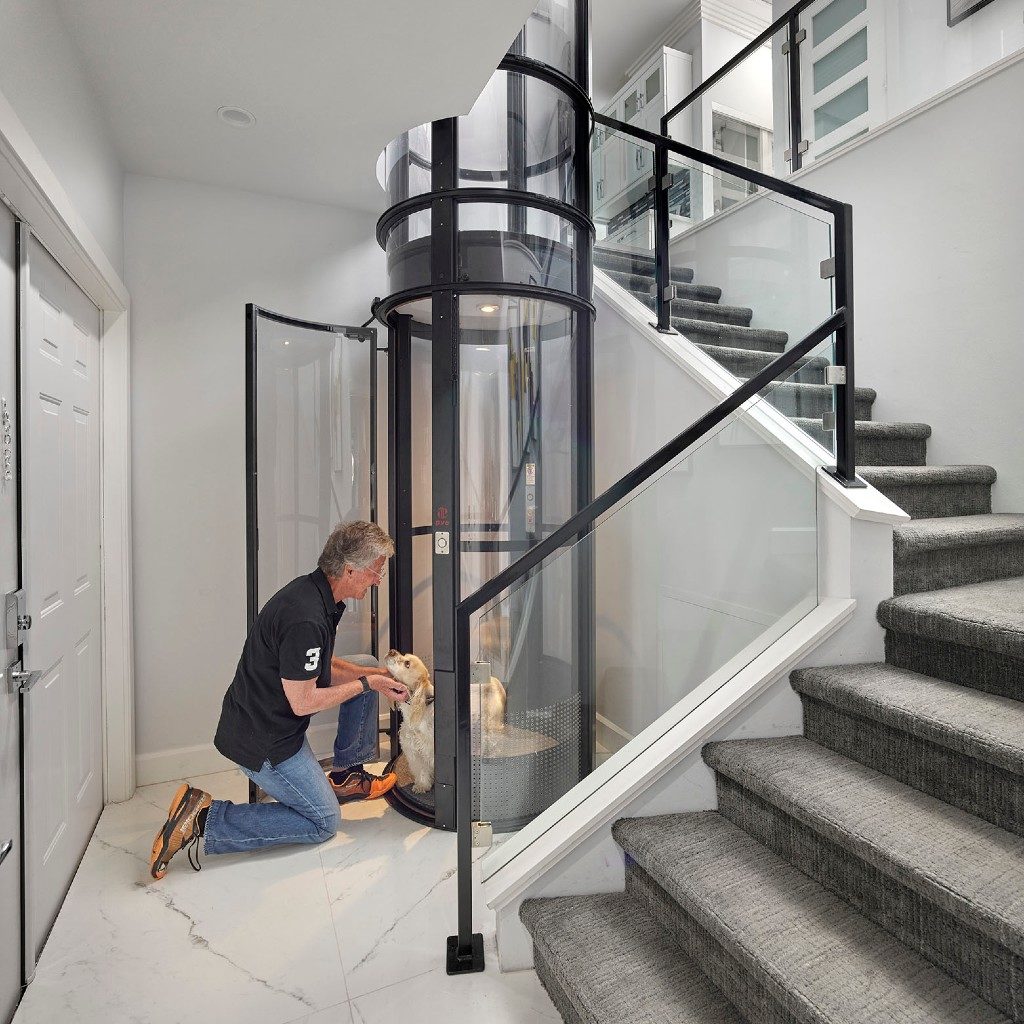
Worried about where to fit a lift? You might be surprised at how adaptable modern home lifts can be. Many models are designed for space-saving integration, allowing installation in places like stairwells, corners or even cupboards. Lifts such as the PVE Airlevator or Artico Compact have made it easier than ever for homeowners with limited space to embrace this innovation.
This flexibility is key for today’s housing landscape, where space is often at a premium. Instead of disrupting your layout, domestic lifts can enhance it, providing access and convenience without compromising valuable living areas.
Safe and Simple to Use
Safety is often a primary concern, especially in households with children or elderly residents. Modern domestic lifts address these concerns through a range of features including emergency stop buttons, battery backups and even access controls to restrict use to certain floors.
But it’s not just about emergency safety, practicality is another strong point. Lifts reduce the need to carry heavy or awkward items up the stairs, minimising the risk of slips, trips or strain-related injuries. It’s an upgrade that gives peace of mind, while also making daily life more efficient.
Energy Efficient and Low Maintenance
It’s reasonable to question whether domestic lifts are expensive to run. The good news is that most systems are designed with energy efficiency in mind. In fact, many use about the same amount of electricity as a household appliance like a washing machine or kettle.
Maintenance is also relatively straightforward. While regular servicing is important for safety and performance, it’s generally low-effort and low-cost compared to other home systems. This makes domestic lifts a realistic long-term choice, not just a short-term solution.

Future-Proofing Your Home
For homeowners thinking about the years ahead, domestic lifts offer reassurance. They make it possible to stay in the home you love for longer, even as circumstances change. With many people preferring to adapt rather than move, domestic lifts are becoming a key part of that plan.
Installing a lift now means you’re prepared for whatever the future holds. Whether it becomes essential or remains a helpful feature, it’s a change that brings immediate benefits as well as peace of mind.
Choosing the Right Home Lift for Your Needs
Not all home lifts are created equal. Selecting the right one depends on several factors:
- Number of floors: Some lifts are better suited for two-storey homes, while others can serve up to three or four floors.
- Lift capacity: Will it be used for people, heavy items, or both?
- Location within your home: Do you have a central staircase, an unused corner, or space for a built-in shaft?
- Mobility needs: Some lifts are more accessible than others and are built to accommodate wheelchairs or walking aids.
Some lifts are better suited to certain home layouts than others, so it’s worth speaking to a member of our team to explore your options if you are not sure. If budget is a concern, you may also be eligible for support, such as a Disabled Facilities Grant through your local council. With careful planning, a domestic lift can be integrated into your home with minimal disruption.
Making an Informed Decision
Installing a domestic lift is not a rushed decision. It’s worth taking the time to understand your needs, review the different models, installation processes and think about the long-term impact on your lifestyle and home environment. The right choice can bring comfort, security and a new level of freedom to your daily routine. This is not just a renovation project, it’s a long-term investment in your comfort, safety and home value. Not sure where to start? Only Lifts make it easy. In just 30 seconds, we’ll help you explore the best home lift options and get a personalised quote, completely free and with no obligation. Just a helpful first step to a more accessible home.
Commonly asked questions
How long does installation take?
Most domestic lifts can be installed within a few days, depending on the model and the existing structure of your home.
Are home lifts suitable for small homes?
Yes, many domestic lifts are designed to be space-efficient. There are compact models that can be fitted into corners, stairwells or even cupboards without major structural changes.
Is it worth getting a home lift if I don’t need it yet?
Yes. Many people choose to install a lift as a forward-thinking decision. It brings immediate convenience and prepares the home for future needs.
Can home lifts be used in older properties?
Yes. With proper planning and assessment, lifts can be installed in older homes, even those with limited space or traditional features.